

When the Dal Capture the Flag Society (Dal CTF) got ratified earlier this year, co-presidents Conrado Boeira and Lauren Galbraith knew that a new world had opened up for them. For the past few years, the two had found students through a cybersecurity class in the Faculty of Computer Science to compete for Dalhousie. However, they wanted to do more.
“We agreed it was time for Dal to have its own CTF club so we can develop our skills and bring some of these great opportunities to other Dal students,” Galbraith says. “Since then, we’ve been competing in online CTFs as often as possible, keeping our skills sharp and trying to get more people interested in CTF.”
With the society’s ratification, the two had the perfect idea about how to debut their society: by creating a competition for students called Dal CTF 2025.
“We always kind of wanted to host a CTF, especially after we got to be a proper society,” explains Boeira. “A lot of big teams in CTFs host their own CTF just because you grow a lot as well from writing the questions. It gives you a more comprehensive perspective on how to solve the challenges as well.”
When the society asked ShiftKey for support in creating the event, ShiftKey Student Ambassador Aman Bhalla immediately recognized that it could benefit students. With multiple years of experience in cybersecurity, including teaching the Academy UP Practical Cybersecurity course, he found an opportunity to teach ShiftKey’s audience crucial skills that are useful in their future careers and their personal lives.
“In everyday life, when you’re developing, or even if you’re just using a cell phone or your laptop, you don’t really understand how much of your data gets exposed,” Bhalla explains. “[CTFs are] something that teaches the students “OK, these are the things that are easy threat vectors that people can exploit. So how can we be more secure?”
With the help of Bhalla and the ShiftKey team, the society landed on the theme “Escape the Game,” evoking the nostalgic feeling of playing retro games with a twist. To win the competition, teams didn’t just have to play the game; they had to escape it by solving challenges.
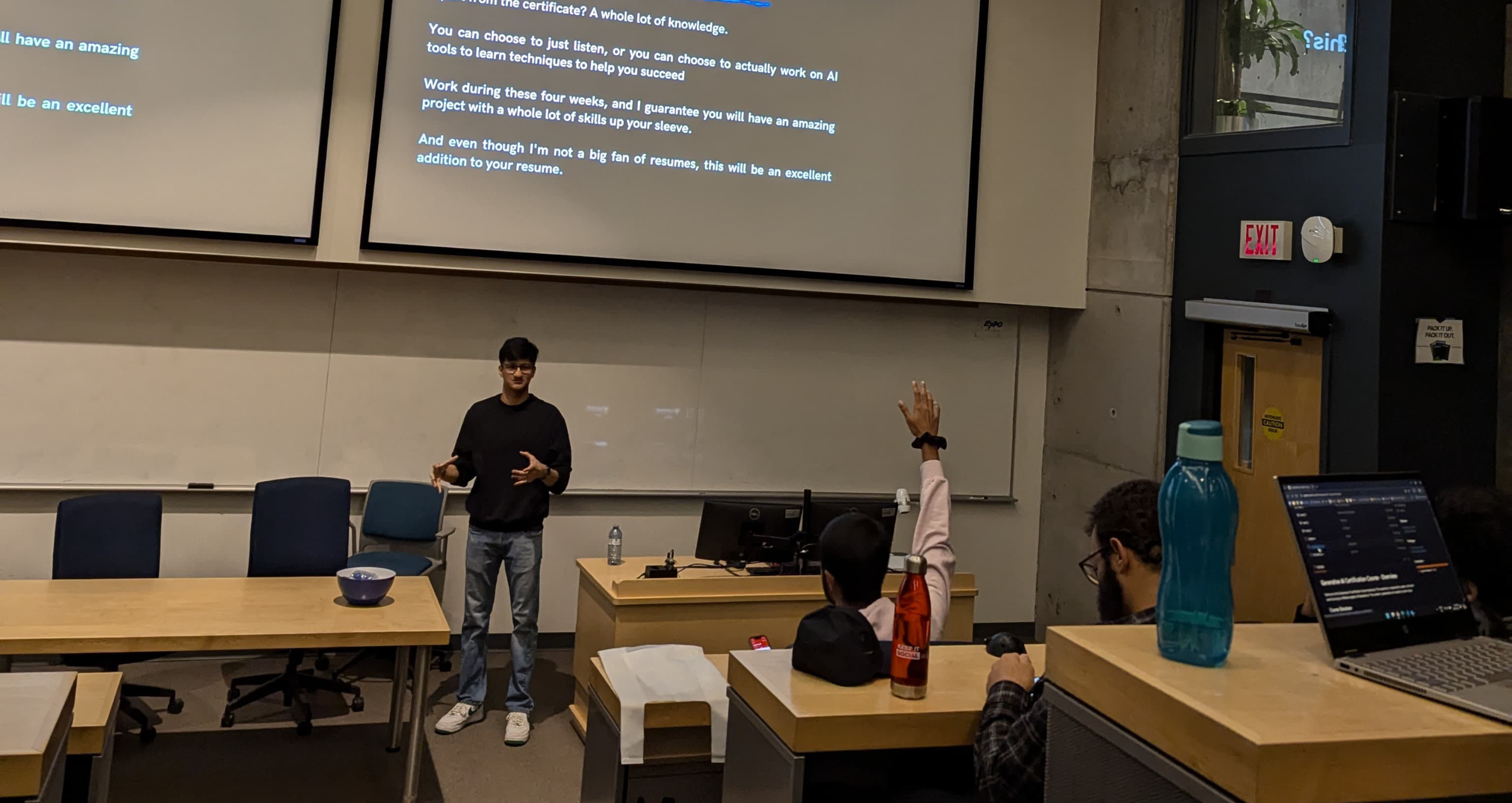
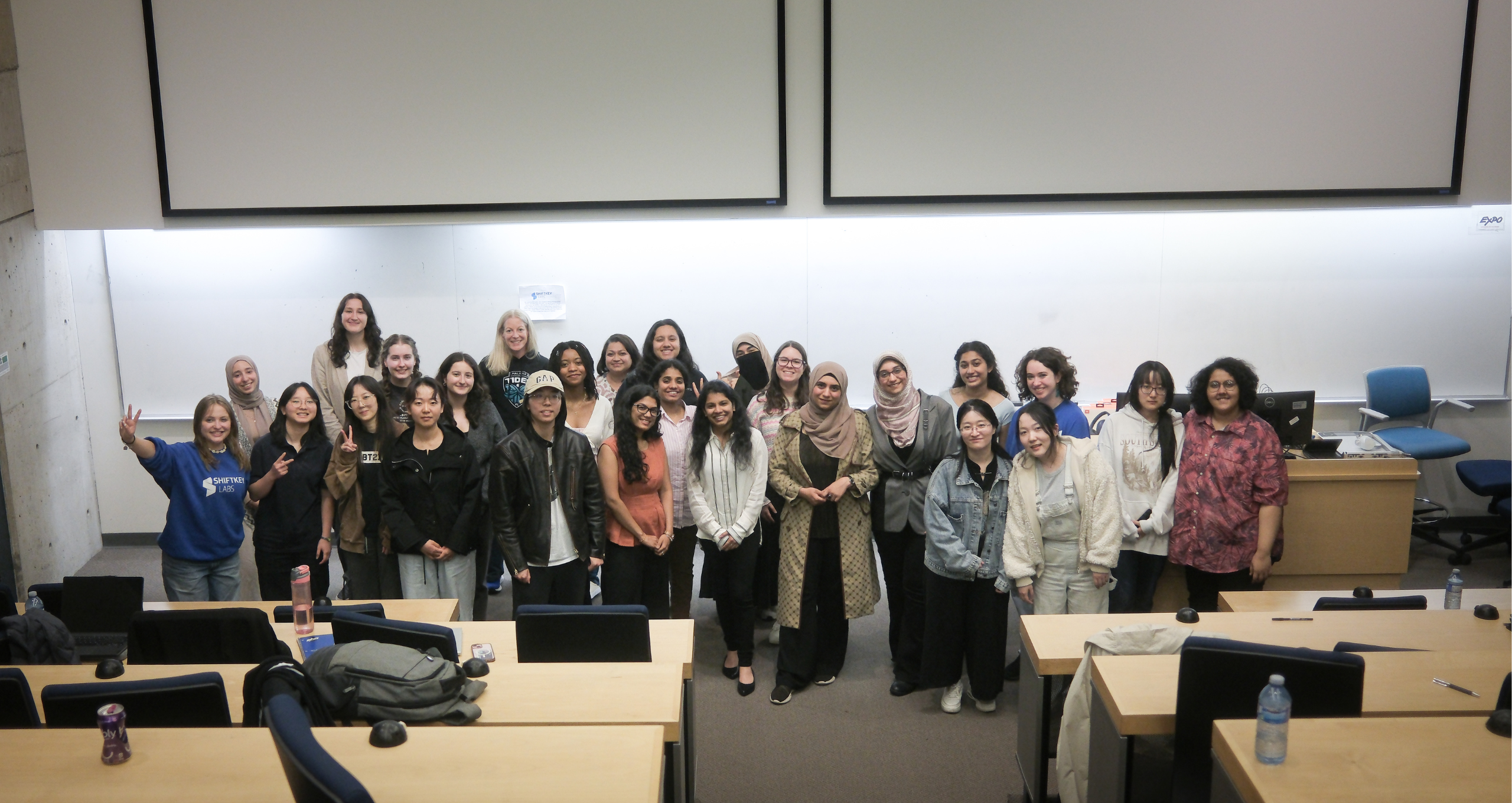
To introduce participants to the CTF, ShiftKey and the society hosted an introductory workshop on July 2nd. The workshop was a way for students to learn what CTFs are and how to use their cybersecurity skills to win the competition.
Bhalla noticed how other tech fields overshadow cybersecurity and wanted the workshops to introduce students to the world of CTFs and how these competitions can help increase skills needed in their future careers.
“A lot of students don’t usually get to [a high] level of cybersecurity, despite it being an essential topic. It does not gather that much awareness, like the fun stuff AI or cloud gets nowadays. So cybersecurity is just as essential as the other concepts,” Bhalla explains.
After the workshop, students had three days to prepare for the Dal CTF on July 5th, giving them time to continue honing their skills. The team quickly realized the workshop increased awareness and excitement across the region, as students from Nova Scotia and even the University of New Brunswick arrived to compete.
Micah Landry, who was on the winning team “We drove 4 hours for this comp,” made the trek from New Brunswick to compete.
“Integrating different skill sets and perspectives with my teammates made solving each challenge faster and more enjoyable than working alone,” says Landry. “Solving puzzles solo is fun, but it’s much more rewarding with others.”
Seeing students work together to complete challenges while building their cybersecurity skills was fulfilling for both ShiftKey and the Dal CTF society.
“This was like an introduction for beginners to explore the field because we have a lot of students [from ShiftKey] that are coming from, like, machine learning or AI, but they don’t get much of a chance to explore cybersecurity,” says Bhalla. “I feel like we got to see a wider base of people coming in and trying it out, and we see like the ShiftKey community is growing in general as well.”
“It was incredibly rewarding to witness that level of enthusiasm and success, and it significantly boosted interest in our society and cybersecurity as a whole,” Dhruvi Shah, the society’s treasurer, agrees.
Pulling off a successful event and winning the competition took time and effort. On both the society’s and the participants’ side, learning how to work together and communicate was key.
Reflecting on the event, Shah realized that the experience allowed her to focus on non-technical skills. As a board member, she had to create graphics, post on social media, and promote the event to students and the Student Affairs department to ensure the CTF was a success.
“[It] gave me a chance to grow as a communicator and team collaborator, especially while working with different departments and stakeholders to make the event successful,” she says.
On the participant side, teamwork and communication also drove Landry’s team to success. His teammate, Bhavya Kapoor, noticed that the team’s combined skill sets helped them stay on top of the leaderboard.
“We had a diverse mix of skills across the team, and it worked. I’m proud of how we all contributed in our own way and made it happen on the fly. That said, I fully recognize that not every team clicks this easily, and I do not take for granted how rare that alignment can be. Good teamwork does not always require long-term preparation; it can come together through mutual respect and adaptability,” she says.
For participants like Kapoor, taking part in the CTF created a better understanding of the cybersecurity industry.
“I walked away with a deeper appreciation for secure systems and a stronger motivation to understand where things can break. This experience reinforced why cybersecurity continues to excite me and how much more there is to explore,” she explains.
Bhalla and society’s executive team hope that participants not only enjoyed the experience but also remember that they can learn new skills by completing difficult tasks.
“I hope they walked away with the confidence that CTFs are accessible, even to complete beginners,” Shah says. “You don’t need prior experience to participate or do well. I also hope it sparked more interest in cybersecurity and inspired students to get involved in the community and continue learning.”
Looking forward, both ShiftKey and the society want to expand their cybersecurity programming. The two are collaborating on two CTF-related events in October before CyberSci Atlantic, the Atlantic chapter of CyberSci, a national CTF competition, begins in November. Bhalla is also teaching Network Cybersecurity Academy UP in October.
“Cybersecurity is a critical skill that students need to understand, and I hope that in the future, when we conduct future CTFs, whether by itself or in collaboration with societies, I feel like we can create a space for students to explore [this field],” Bhalla explains.
However, both will always fondly look back at the Dal CTF as a successful event with talented participants who took the competition to the next level.
“I took away that there are some talented hackers at Dal. I was incredibly impressed by the performance of all the teams; they definitely showed some serious potential,” Galbraith says. “I hope that anyone who enjoyed the CTF will join us for more events in the future!”